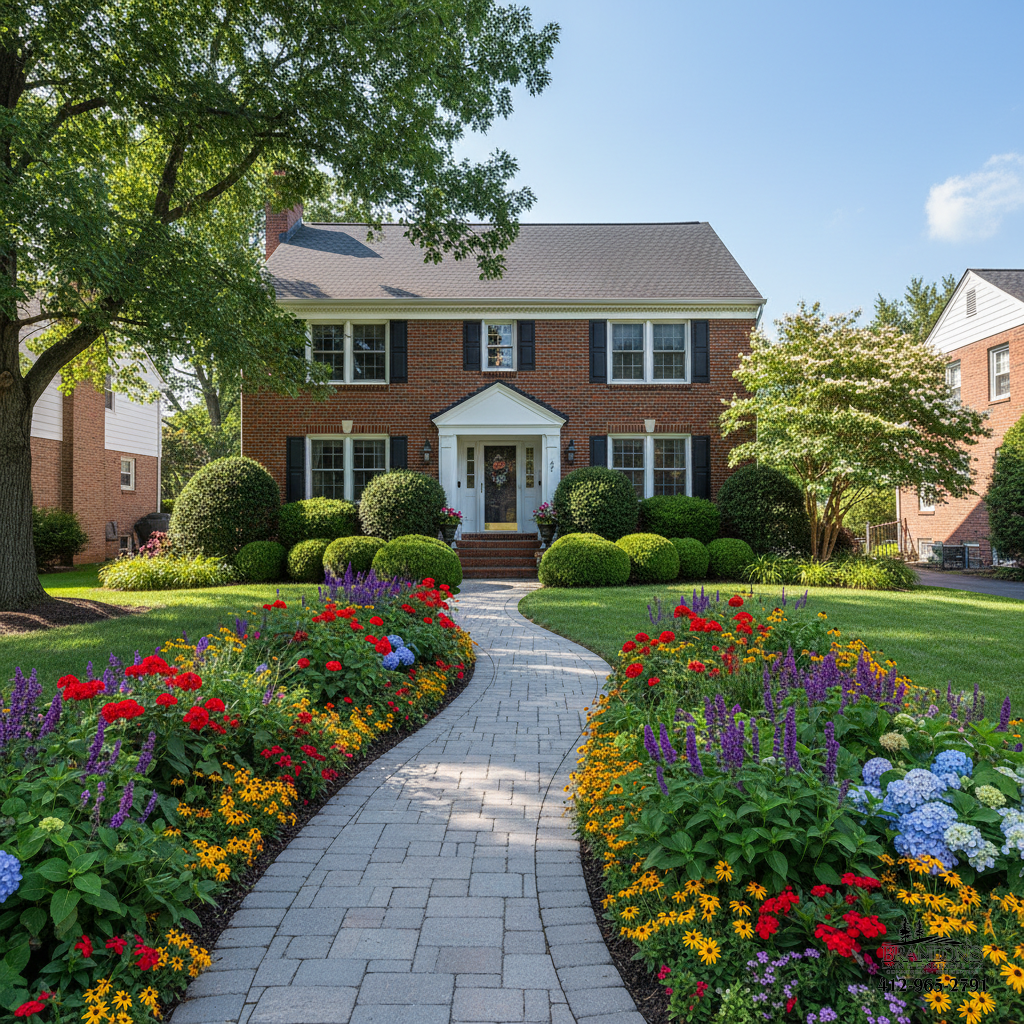

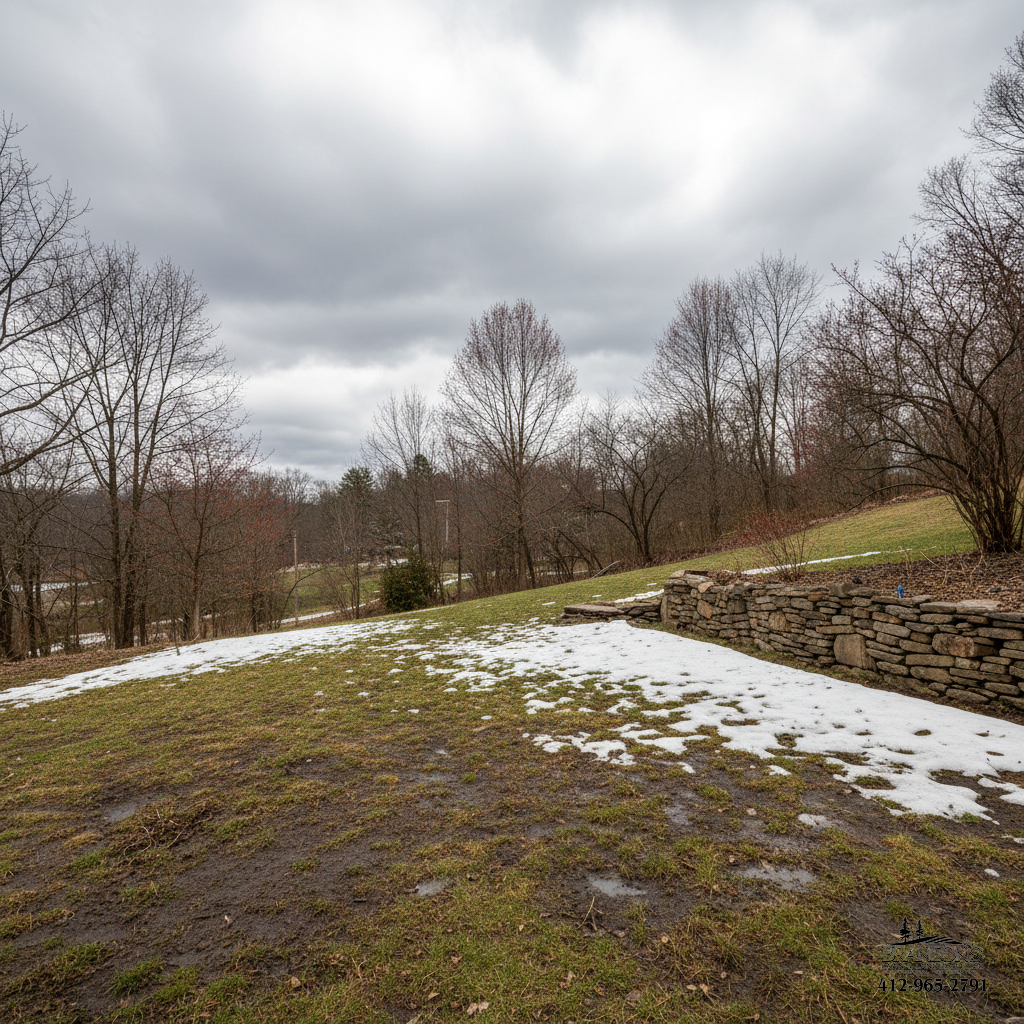
If you've lived in southwestern Pennsylvania long enough, you know the drill. By late March the snow is mostly gone, but what it leaves behind isn't pretty — flattened grass, soggy patches, broken branches, and the general mess that a Pittsburgh winter drops on your property. The good news is that a solid spring cleanup now sets you up for a much better looking yard all season long.
Assess the Damage First
Before you start hauling debris, take a walk around your property and actually look at what winter did. Pay attention to:
- Low spots holding water. Freeze-thaw cycles shift soil around, especially on slopes. If you're seeing new puddles where there weren't any last year, the grade may have changed.
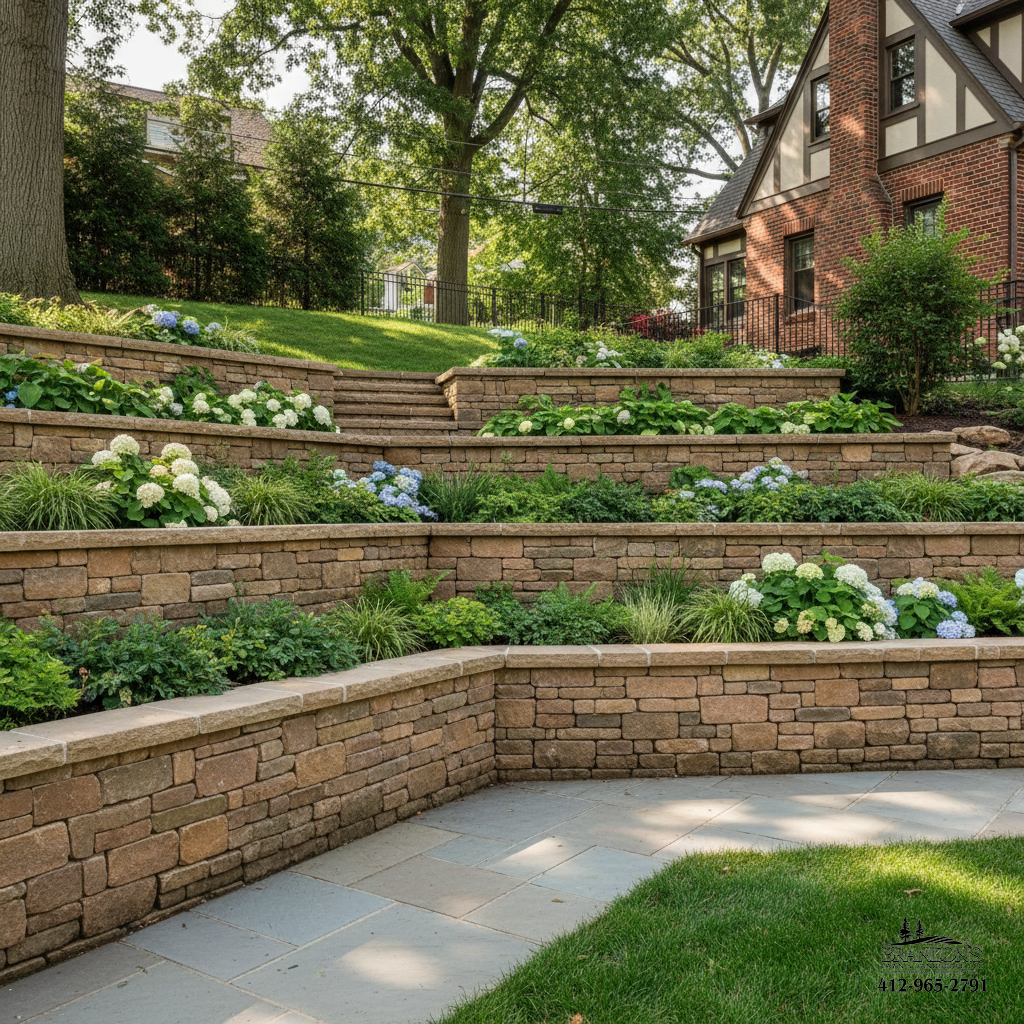
- Retaining walls and hardscapes. Check block walls and stone walls for heaving, shifting, or cracked mortar joints. The frost line in our area gets down to about 36 inches, and that kind of movement can push walls out of alignment over a single season.
- Tree and shrub damage. Heavy snow and ice loads snap branches. Look for hanging limbs, split trunks, and broken leaders — especially on ornamental trees.
Don't rush past this step. Catching a leaning retaining wall or a drainage problem now saves you from a much bigger repair bill in July.
Clear the Debris
This is the grunt work, but it matters. Get the leaves, sticks, and matted-down organic material off your lawn as early as you can. That layer of wet debris smothers grass, promotes fungal disease, and blocks sunlight from reaching the crown of the plant. In our area, snow mold is a common problem after long winters — you'll recognize it as circular gray or pink patches on the lawn once the snow melts.
Rake or blow everything out, and don't forget your beds. Leaves packed into planting beds hold moisture against the crowns of perennials and can cause rot.
Dethatch and Aerate
Once the ground firms up enough to walk on without leaving footprints, it's time to dethatch. Thatch is the layer of dead stems and roots that builds up between the soil surface and the green grass blades. A thin layer is fine, but anything over half an inch starts blocking water and nutrients from reaching the roots.
Core aeration is even more important on the heavy clay soils we deal with across most of Allegheny and Washington counties. Pulling plugs opens up compacted soil, improves drainage, and gives grass roots room to grow. If you're planning to overseed — and spring is a decent window for that — aeration gives seed direct contact with soil instead of sitting on top of thatch where it dries out and dies.
Check Your Grading and Drainage
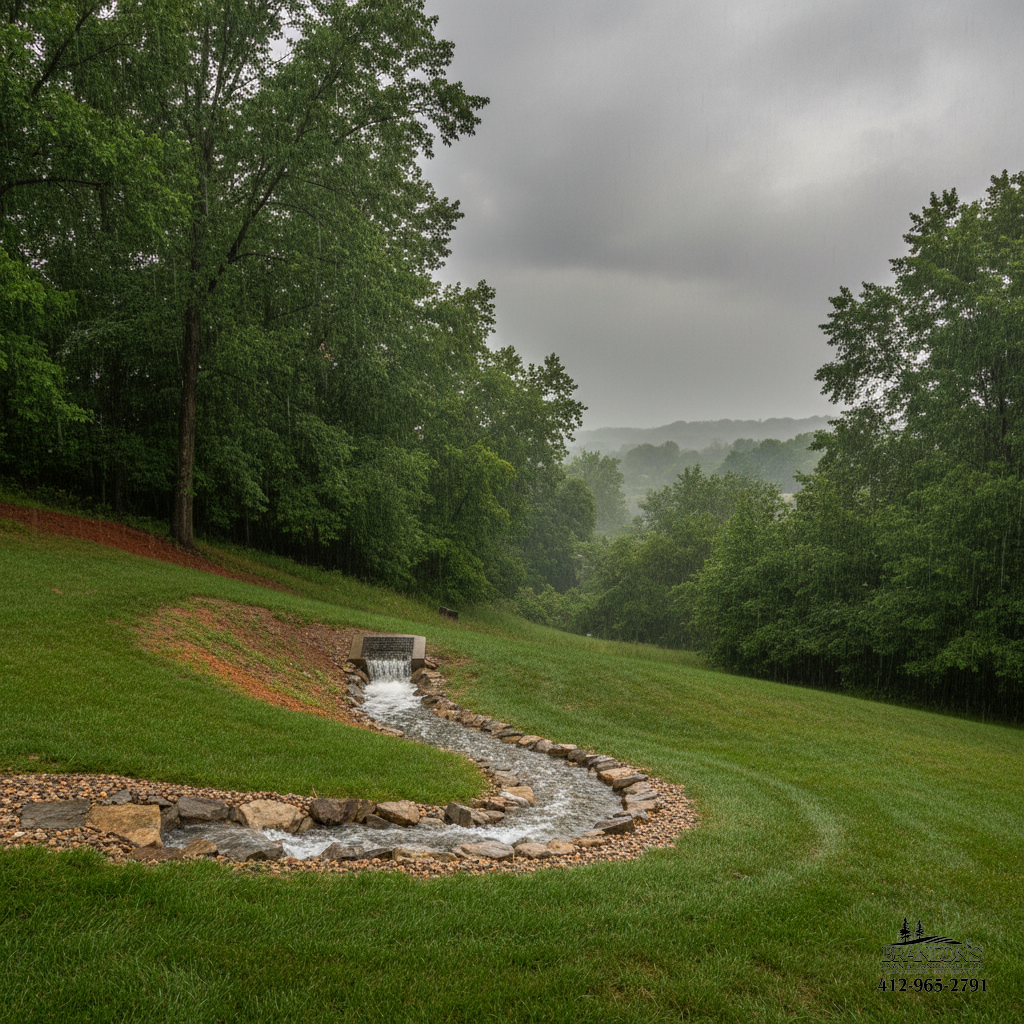
March and April are the wettest months in Pittsburgh, and that's exactly when drainage problems show themselves. Watch your yard during a heavy rain. Where does water collect? Where does it flow? If it's moving toward your foundation instead of away from it, you've got a grading issue that needs to be corrected before it causes real damage.
Common fixes include regrading low areas, extending downspouts, installing French drains, or adding channel drains along hardscape edges. This is also the time to clean out any existing drain lines — they clog with sediment and debris over winter.
Inspect and Repair Hardscapes
Retaining walls, patios, and walkways take a beating from frost heave. Look for:
- Blocks or stones that have shifted out of alignment
- Cracked or crumbling cap stones
- Joints that have opened up and lost their polymeric sand
- Drainage aggregate behind walls that may have settled or clogged
Small repairs done now prevent bigger structural failures later. A wall that's leaning an inch this spring could be leaning three inches by fall if the backfill drainage isn't working properly.
Prepare Your Beds and Borders
Cut back ornamental grasses and dead perennial stems before new growth starts. Edge your beds to redefine clean lines — winter always blurs the boundary between lawn and bed. Add fresh mulch, but keep it to two to three inches and pull it back from tree trunks and shrub stems. Volcano mulching is one of the most common mistakes we see, and it leads to bark rot and pest problems.
If you're planning new plantings, wait until the soil temperature consistently hits 50 degrees or so. In the Pittsburgh area that's usually mid to late April, depending on the year.
Know When to Call a Pro
Some of this work is straightforward — raking, clearing debris, edging beds. But if you're dealing with a retaining wall that moved over winter, a drainage problem that's getting worse, or a lawn that needs serious renovation, it's worth getting a professional assessment. These aren't cosmetic issues. Poor drainage and failing walls cause property damage that gets expensive fast.
At Brandon's Lawn & Landscape, we handle everything from spring cleanups to full hardscape repairs and drainage solutions across the greater Pittsburgh area. If your yard took a hit this winter, give us a call and we'll help you figure out what needs attention and what can wait.